🖤 Black Friday Pink Edition · 8% OFF · Code PINK8




Asian Sex Doll Appearance: What Can Styling Change?

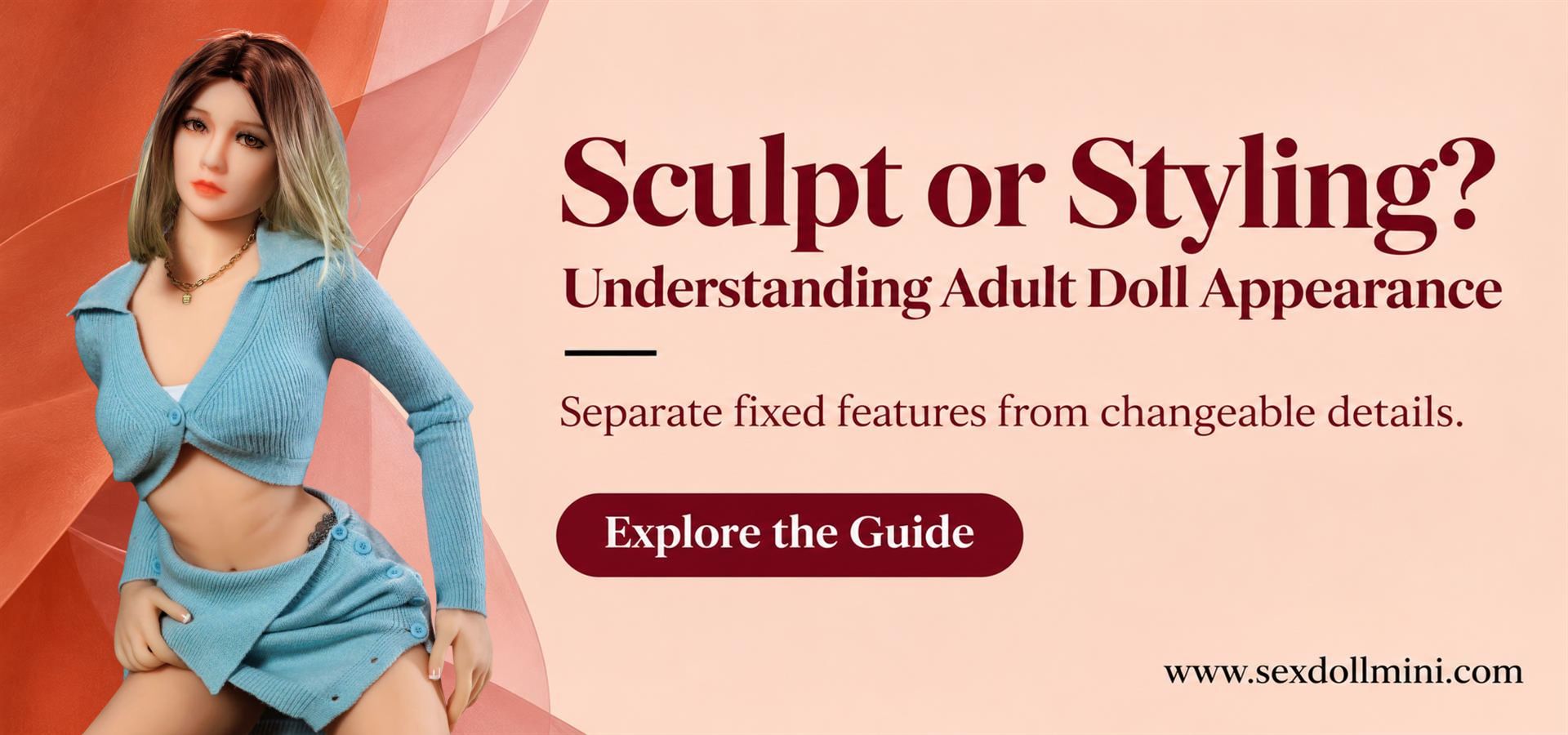
When comparing an Asian sex doll design, distinguish the underlying sculpt from its styling. A removable wig or an approved accessory may change the presentation; the moulded facial shape generally remains the same unless a different compatible head is supplied. Makeup, eye components and implanted hair have model-specific limits, so do not assume every visible feature can be changed after delivery.
This guide discusses clearly mature adult designs in a non-graphic way. Its purpose is to help you understand which appearance choices belong to the original design, which may be selectable before manufacture, and which may be adjustable later.
“Asian” is a broad retail category, not a single face shape, complexion, body type or personality. Asia includes many populations and aesthetic traditions. Compare the particular design you are looking at instead of expecting a category label to define how it should look.
Start with three layers:
Sculpt: the underlying shape.
Finish: surface colour and applied details.
Styling: hair presentation and compatible accessories.
Compare the three layers · Read the examples · Set appearance priorities
What Is the Difference Between Sculpt, Finish and Styling?
The sculpt is the physical form created during manufacture. Facial contours and the basic shape of the nose, jaw and lips belong to this layer. Styling can draw attention to different parts of the form, but it does not physically reshape them.
The finish includes applied colour and surface details. Depending on the construction, eyebrows, lip colour and other visible details may be painted or otherwise attached. These should not be treated as ordinary removable cosmetics unless the manufacturer expressly says so.
Styling changes how the finished item is presented. A different compatible wig, for example, can frame the same face differently. The practical question is whether the specific component is designed to be removed or adjusted, not whether it looks removable in a photograph.
| Layer | Typical examples | What to establish |
|---|---|---|
| Sculpt | Underlying facial contours and moulded proportions | Which head design you prefer before considering styling |
| Finish | Applied eyebrows, lip colour and surface shading | Which finish is supplied and whether changes require specialist work |
| Styling | A removable wig and compatible accessories | Which items are designed for owner replacement and how they attach |
| Separate components | Eyes or a detachable head, where offered | Whether replacement is supported, by whom, and with which compatible parts |
This table organizes questions; it does not promise that a particular product supports these options. A fixed feature on one model may be replaceable on another.
Why Can the Same Sculpt Look Different in Two Photographs?
Hair framing, lighting direction, camera angle and surface finish can all affect the impression of a face. A fringe may cover part of the forehead. A different angle may emphasize the profile. Neither change necessarily means the underlying head design is different.
When you are choosing the sculpt, compare similar views with the hair away from the areas that matter to you. A straightforward front view and a profile view answer different questions. If available, ask for the same head under comparable lighting rather than comparing a brightly lit close-up with a heavily styled portrait.
Use this comparison to identify what you actually prefer. If you like the hairstyle but not the profile, changing the hairstyle will not address the profile. If you like the contours but want a different hair colour, the question becomes whether a suitable removable wig is supported.
How Do Removable Wigs and Implanted Hair Differ as Appearance Choices?
A removable wig is a separate component when the model is designed to use one. Implanted hair is integrated into the surface and should not be treated as a detachable accessory. Neither arrangement automatically establishes better quality; they create different styling and maintenance decisions.
When the Model Uses a Removable Wig
Confirm the required fit, attachment method and permitted handling. A similar-looking wig may not fit the same head. A separate wig can offer styling flexibility, but that flexibility depends on compatibility rather than the broad product category.
Ask whether the pictured wig is included and whether alternatives are supplied by the manufacturer. Do not assume that a heat tool, dye or adhesive is compatible with the fibres or the doll’s surface.
When the Model Uses Implanted Hair
Make the hairstyle decision with its maintenance requirements in mind. Cutting or chemically altering hair is not equivalent to swapping a separate accessory. If you want frequent changes in length or colour, establish whether those changes are supported before choosing this construction.
For the site’s general handling information, see the hair and appearance care guidance. Ask the manufacturer which parts apply to your particular hair type, surface finish and attachment method.
Can Makeup Change the Face Shape?
Makeup and shading may change the visual emphasis of a face, but they do not replace the underlying sculpt. A different eyebrow treatment can alter the apparent expression; it does not change the moulded jaw or nose.
It is also important to distinguish a factory finish option from a change an owner can safely make. “Custom makeup available” might describe a choice made before production, a paid service, or a particular finish supplied by the seller. It does not establish that ordinary cosmetics and removers are compatible.
Before planning a change, find out whether the finish is permanent, which products are approved and whether the work requires a specialist. This article does not provide repainting or solvent-removal instructions because compatibility cannot be inferred from a broad silicone or TPE label.
Are Eye Colour and Head Changes Always Possible?
No. Some designs may offer different eye components or compatible heads, but the availability of an option is specific to the model. A colour choice at checkout is not proof that the owner can replace the component later.
A replacement head also raises questions beyond appearance. The connection, supported weight, material description and finish match may matter. The fact that two products come from the same retailer does not establish interchangeability.
Ask whether an option is factory-selected, owner-replaceable or service-only. Those three answers describe different levels of flexibility and should not be grouped together under a single promise of customization.
How Can You Tell Which Change Would Achieve Your Preferred Look?
The following hypothetical examples demonstrate the distinction between styling and structure. They do not describe a particular item available for sale.
Example 1: You Like the Face but Prefer Shorter Hair
First establish whether the hair is a removable wig. If it is, a manufacturer-approved alternative may provide the desired presentation without changing the sculpt. If the hair is implanted, do not assume that achieving the same result is equally simple or reversible.
Example 2: You Like the Hair but Prefer a Different Profile
This is primarily a sculpt choice. Replacing the wig may reveal or conceal contours, but it will not produce a different underlying profile. Compare another clearly adult head design instead of budgeting for styling changes that cannot solve the structural preference.
Example 3: Two Images Show Different Skin Colour
Determine whether they show different finish options or simply different lighting. Screen appearance alone cannot resolve that distinction. Ask which finish name belongs to each image and whether the selected head and body are supplied as a matching combination.
The useful question is not “Can everything be customized?” It is “Which layer needs to change to achieve this particular result, and is that change supported?”
How Should You Set Appearance Priorities?
Start with preferences that are difficult to change, then consider flexible details. This makes it easier to judge the design without being distracted by accessories that could be different in another configuration.
- Choose a clearly mature adult design. Evaluate the actual representation rather than relying on a category name.
- Decide on the sculpt. Consider the underlying contours from useful viewpoints.
- Choose the finish. Confirm the supplied colours and applied details.
- Understand the hair construction. Separate removable styling from integrated features.
- Identify permitted later changes. Distinguish owner replacement, factory options and specialist services.
Keep essential preferences separate from optional ones. If a particular sculpt is essential, do not assume a low-cost styling change can reproduce it. If only the wig matters, avoid treating a different wig as evidence of a different head design.
What Should You Ask Before Selecting an Appearance Option?
Make the question specific to the change you want. Through appearance and compatibility support, ask whether that feature is selected at manufacture or can be changed later, which compatible parts are required and who is expected to do the work.
For example: “I prefer this head design with a different hairstyle. Is the hair removable, and which replacement wig and attachment method are approved?” This identifies a practical preference without assuming a service or component is available.
If a change is offered, establish the additional cost, lead time and relevant conditions before committing to it. No particular customization option or service is promised by this guide.
Frequently Asked Questions
Does an Asian Category Label Define One Appearance?
No. It is a broad marketing label. Evaluate the individual design without assigning a single facial structure, complexion, body shape or personality to Asian people.
Will Another Wig Change the Sculpt?
No. It changes hair framing and presentation. The underlying moulded contours remain the same.
Does Customizable Mean Easy to Modify at Home?
No. It can refer to options selected before manufacture or work performed by a specialist. Confirm who can make the change and which methods are supported.
Should I Choose the Head or Hairstyle First?
If the sculpt matters to you, evaluate it first. Then check whether the hairstyle you want is available and compatible with that design.


