🍂 Fall Sale · 5% OFF with code AUTUMN5




Best Materials for Mini Sex Dolls: Silicone vs TPE Explained

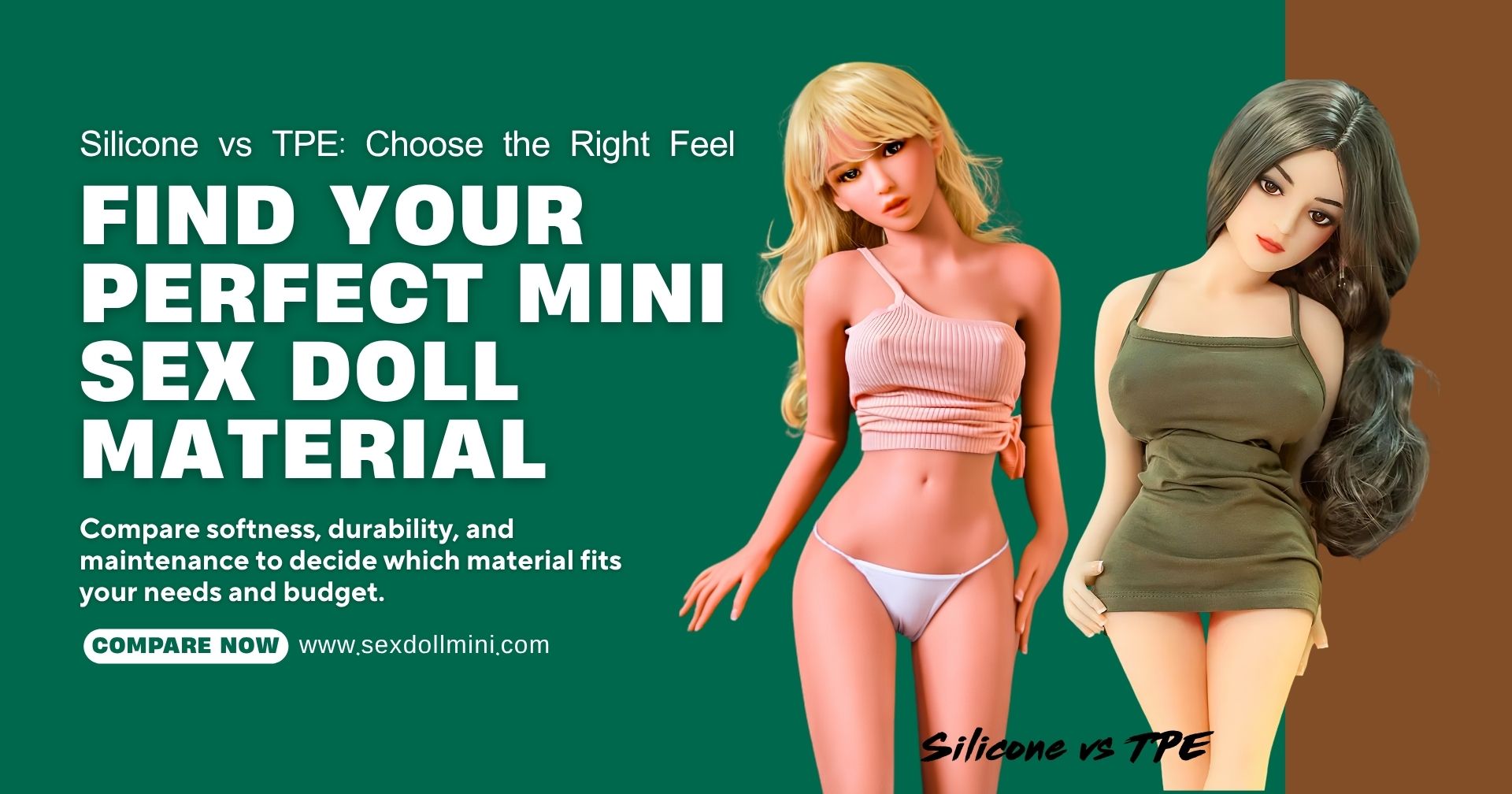
When buying a mini sex doll, one of the most critical decisions you’ll make is choosing the right material. The two dominant materials in the market are silicone and TPE (thermoplastic elastomer), and each offers a very different experience in terms of realism, durability, maintenance, and cost. Understanding these differences is essential if you want long-term satisfaction and value from your purchase. While both materials are widely used, they cater to different user preferences and budgets. In this guide, we break down silicone vs TPE in a practical, no-nonsense way so you can make an informed decision.
What is Silicone in Mini Sex Dolls?
Silicone is a premium material known for its firm structure, durability, and high-end realism. It is widely used in medical and industrial applications, which reflects its safety and stability. In mini sex dolls, silicone delivers a more structured and lifelike appearance, especially in facial features and body contours. Unlike softer materials, silicone maintains its shape over time without sagging or deforming. This makes it ideal for users who prioritise long-term use and aesthetic realism.
Another key advantage of silicone is that it is non-porous, meaning it does not readily absorb moisture or bacteria. This significantly improves hygiene and makes cleaning more straightforward. However, this material tends to feel slightly firmer compared to TPE, which may not suit users looking for a softer touch.
What is TPE in Mini Sex Dolls?
TPE (thermoplastic elastomer) is a softer, more flexible material that closely mimics the feel of human skin. It is one of the most popular choices for mini sex dolls due to its affordability and realistic softness. When users talk about a “lifelike feel,” TPE often comes closest in terms of tactile experience. It compresses easily under pressure, giving it a more natural and responsive texture.
However, TPE is a porous material, which means it can absorb oils, moisture, and dirt if not properly maintained. This makes regular cleaning and proper storage essential. While it offers a superior feel, it requires more effort to maintain hygiene compared to silicone. Over time, TPE may also show signs of wear if not handled carefully.
Silicone vs TPE: Key Differences That Matter
1. Realism and Feel
TPE clearly wins for softness and flexibility. It provides a more skin-like sensation, which many users prefer. Silicone, on the other hand, offers better visual realism, especially in fine details like facial expressions and body structure. The choice here depends on whether you prioritise touch or appearance.
2. Durability and Lifespan
Silicone is significantly more durable than TPE. It resists tearing, stretching, and long-term deformation, making it a better option for extended use. TPE, while flexible, is more prone to wear and requires careful handling. If longevity is your priority, silicone is the better investment.
3. Maintenance and Hygiene
Silicone is easier to clean because it is non-porous. A simple wash is usually enough to keep it hygienic. TPE, being porous, requires more thorough cleaning and drying to prevent bacterial buildup. You may also need maintenance powders to keep the surface in good condition.
4. Price and Affordability
TPE is generally more budget-friendly, making it ideal for beginners or those testing the category. Silicone dolls are more expensive due to higher production costs and material quality. If budget is a constraint, TPE offers a strong entry point.
5. Weight and Handling
Mini sex dolls made from TPE are usually lighter and easier to handle due to their flexible nature. Silicone dolls can feel slightly heavier and more rigid. For users prioritising portability and ease of use, TPE has an advantage.
Pros and Cons of Silicone Mini Sex Dolls
Pros
- Highly durable and long-lasting
- Non-porous and easy to clean
- Maintains shape and structure over time
- Premium, high-end appearance
Cons
- More expensive than TPE
- Slightly firmer texture
- Less flexible
Pros and Cons of TPE Mini Sex Dolls
Pros
- Extremely soft and realistic feel
- More affordable and beginner-friendly
- Flexible and easy to position
- Lightweight and easy to handle
Cons
- Requires more maintenance.
- Porous surface can absorb moisture.
- Less durable over time.
- It can degrade if not properly cared for.
Which Material Should You Choose?
The decision between silicone and TPE ultimately depends on your priorities. If you are looking for a long-term investment with minimal maintenance, silicone is the better option. It offers durability, hygiene, and a premium finish that justifies the higher cost.
On the other hand, if your focus is on realistic touch and affordability, TPE is the clear winner. It delivers a softer, more lifelike experience at a lower price point, making it ideal for beginners or casual users. However, you must be willing to invest time in proper care and maintenance.
A practical approach is to consider your usage frequency. For occasional use, TPE provides excellent value. For regular use over a long period, silicone offers better reliability and lower maintenance effort.
Maintenance Tips for Both Materials
Regardless of the material you choose, proper maintenance is essential:
- Clean after every use using mild, material-safe solutions.
- Dry thoroughly to prevent moisture buildup.
- Store in a cool, dry place away from direct sunlight.
- Use renewal powders (for TPE) to maintain softness.
- Avoid sharp objects that may damage the surface.
Good maintenance habits can significantly extend the lifespan of both silicone and TPE mini sex dolls.
Final Thoughts
Choosing between silicone and TPE is not about which material is better overall—it’s about which one aligns with your needs. Silicone excels in durability, hygiene, and structure, making it a premium choice for long-term users. TPE stands out for its softness, flexibility, and affordability, making it perfect for those prioritising feel and budget.
Before making a purchase, define what matters most to you: realism, cost, maintenance, or longevity. Once you’re clear on your priorities, the decision becomes straightforward. A well-informed choice ensures not only satisfaction but also better value over time.


